
L2 LLCER anglais, semestre 3, LINGUISTIQUE: CM de phonologie, associé au TD de syntaxe.
- Trainer/in: Manon Philippe
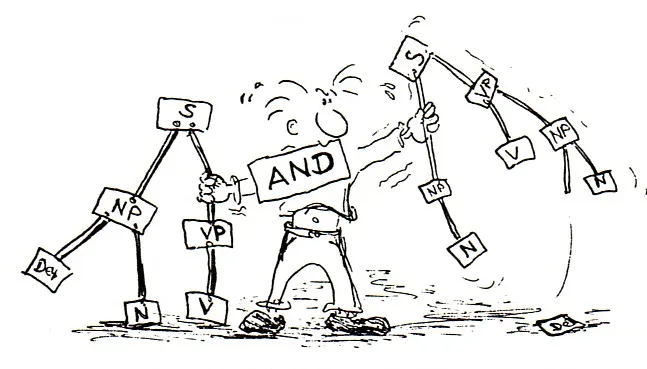
TD de linguistique anglaise de Mme Besnard (Groupes 2 et 3 en 2026-27).
Compléments de cours et corrigés.
Compléments de cours et corrigés.
- Trainer/in: Anne-Laure Besnard
- Trainer/in ohne Bearbeitungsrecht: Sandrine Oriez

- Trainer/in: Sandrine Oriez
- Trainer/in: Manon Philippe
- Trainer/in: Pierre-Yves Le Cam
ressources en ligne pour les étudiants des TD4 et TD5
- Trainer/in: Delphine Lemonnier-Texier
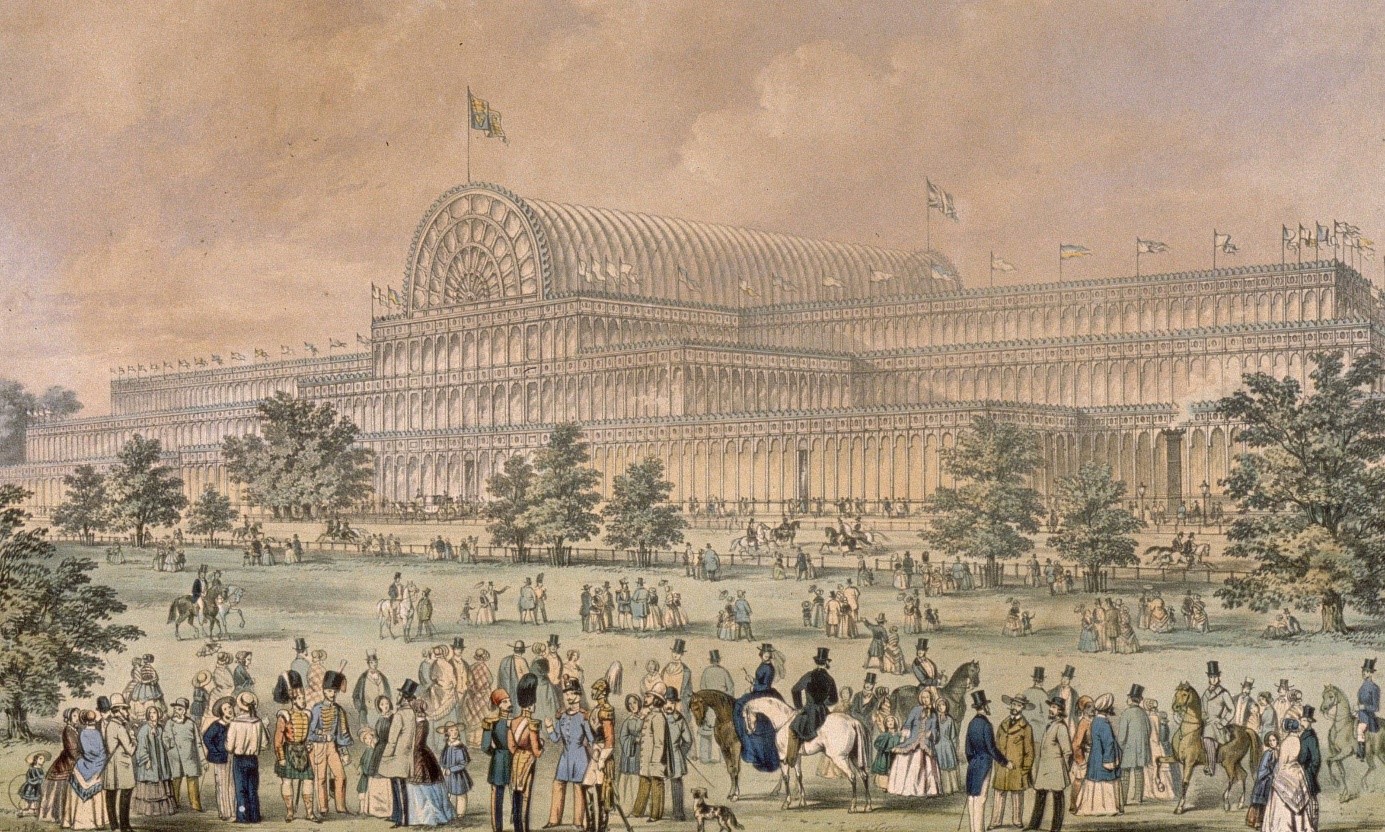
This survey course focuses on Britain in the long nineteenth century, a period when the United Kingdom experienced remarkable prosperity at home and hegemony on the world stage.
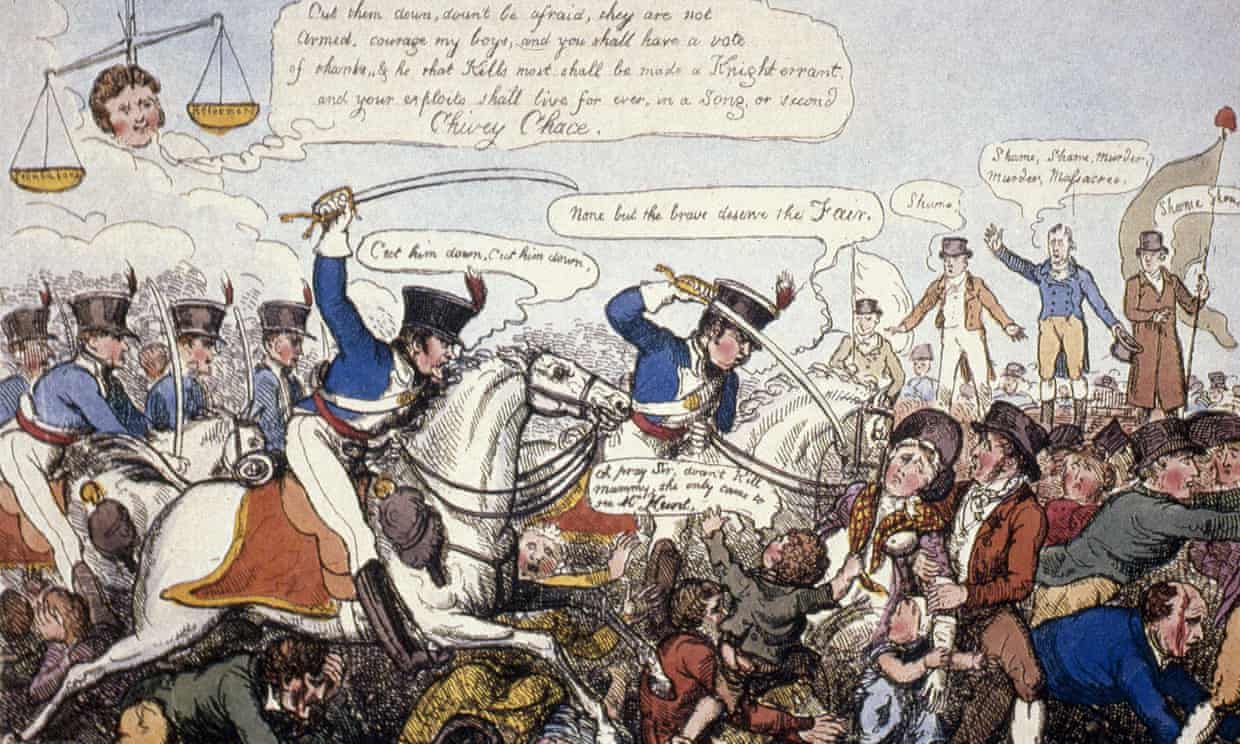
In 1815, at the end of the Napoleonic Wars, Britain was already industrialized. This technological and economic advantage allowed her to supplant her European neighbours and become the “Workshop of the World”. Britain’s economic supremacy was paralleled on sea as its naval domination enabled the expansion of the Empire which evolved into two distinct sets of colonies (the white “dominions” on the one hand, the “tropical” colonies on the other) where different policies were pursued. At home, economic prosperity brought unprecedented changes which threatened the traditional order and inspired the Establishment with fear of revolution. As reform and continuity were deemed preferable to revolution and chaos, the electorate was gradually expanded to appease the radicals while preserving the Constitution. At the same time, social reforms were introduced to improve the living and working conditions of the working classes without compromising the social and political domination enjoyed by the élite.
Nonetheless, the end of the century was characterized by a declinist and pessimistic mood about the country’s future: Britain’s industrial lead was now challenged by rising powers such as the United States or Germany while in South Africa and Ireland, rival settlers and nationalists tried to throw off the yoke of the Empire “on which the sun never set”. On the home front, the struggles of the suffragettes coupled with the “Labour Unrest” further reinforced the impression that, on the eve of the First World War, Britain had become a weakened and dis-United Kingdom.
In 1815, at the end of the Napoleonic Wars, Britain was already industrialized. This technological and economic advantage allowed her to supplant her European neighbours and become the “Workshop of the World”. Britain’s economic supremacy was paralleled on sea as its naval domination enabled the expansion of the Empire which evolved into two distinct sets of colonies (the white “dominions” on the one hand, the “tropical” colonies on the other) where different policies were pursued. At home, economic prosperity brought unprecedented changes which threatened the traditional order and inspired the Establishment with fear of revolution. As reform and continuity were deemed preferable to revolution and chaos, the electorate was gradually expanded to appease the radicals while preserving the Constitution. At the same time, social reforms were introduced to improve the living and working conditions of the working classes without compromising the social and political domination enjoyed by the élite.
Nonetheless, the end of the century was characterized by a declinist and pessimistic mood about the country’s future: Britain’s industrial lead was now challenged by rising powers such as the United States or Germany while in South Africa and Ireland, rival settlers and nationalists tried to throw off the yoke of the Empire “on which the sun never set”. On the home front, the struggles of the suffragettes coupled with the “Labour Unrest” further reinforced the impression that, on the eve of the First World War, Britain had become a weakened and dis-United Kingdom.
- Trainer/in: Aurore Caignet
- Trainer/in: Valerie Capdeville
- Trainer/in: Maggy Hary-Moussay

- Trainer/in: Maggy Hary-Moussay
Écrire un paragraphe concis et précis qui expose le contenu du cours
- Trainer/in: Anita Cornic
- Trainer/in ohne Bearbeitungsrecht: Aurore Caignet
- Trainer/in ohne Bearbeitungsrecht: David Haigron
- Trainer/in ohne Bearbeitungsrecht: Leila Hammami
- Trainer/in ohne Bearbeitungsrecht: Sebastian Jesus Sanchez Carrera
- Trainer/in ohne Bearbeitungsrecht: Rachidatou Sofiani
- Trainer/in ohne Bearbeitungsrecht: Maria Tang
- Trainer/in ohne Bearbeitungsrecht: Brian Wilson

- Trainer/in: Aurore Caignet
- Trainer/in ohne Bearbeitungsrecht: Manon Philippe
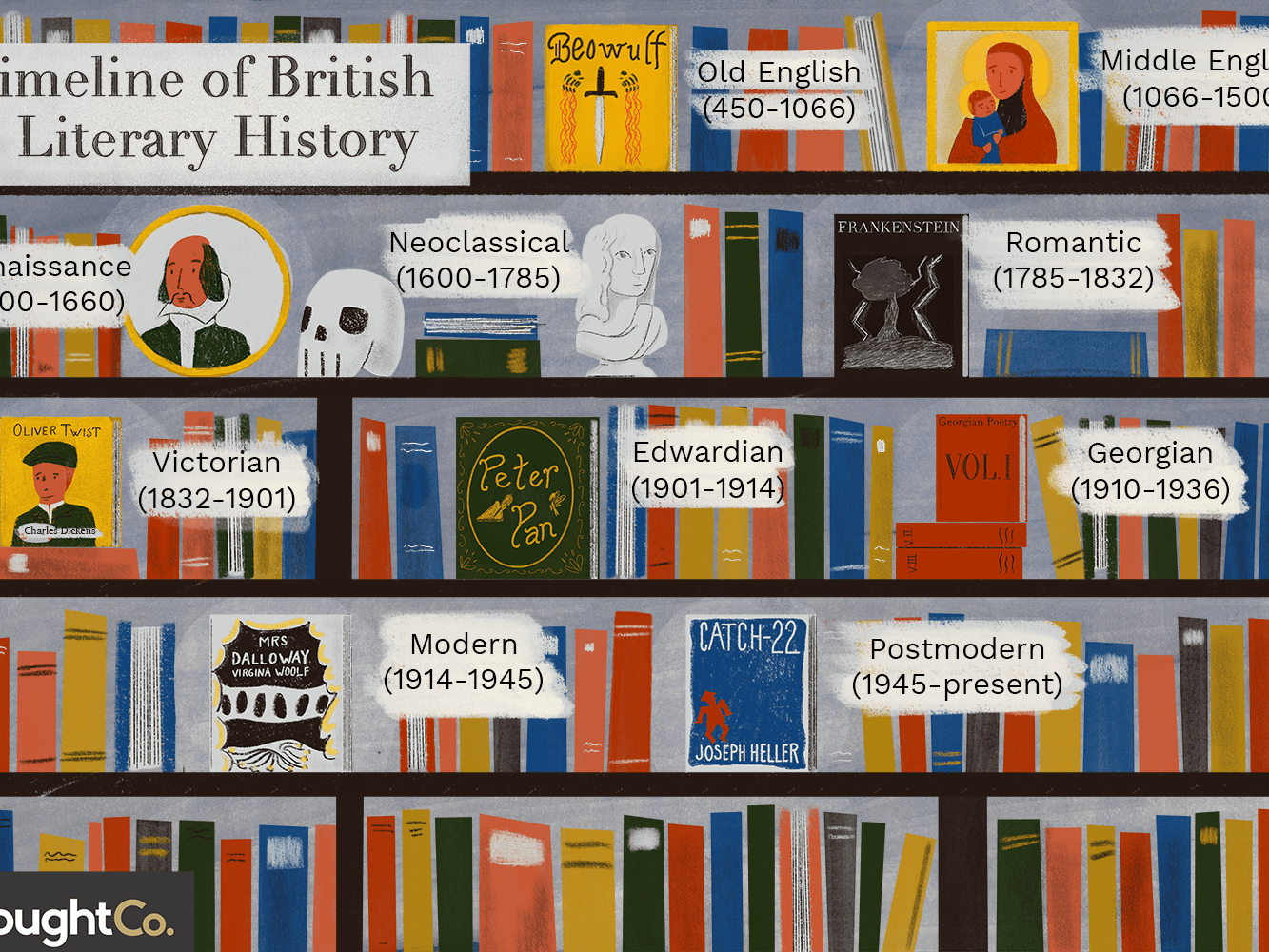
Supports de cours du CM de Littérature britannique S3 (GB) pour les étudiants assidus de L2 Anglais.
NB: Le cours rédigé sera distribué dans les TD de littérature ou peut être retiré au secrétariat d'anglais (L104) à partir du vendredi 13 septembre (secrétariat ouvert l'après midi seulement)
NB: Le cours rédigé sera distribué dans les TD de littérature ou peut être retiré au secrétariat d'anglais (L104) à partir du vendredi 13 septembre (secrétariat ouvert l'après midi seulement)
- Trainer/in: Pierre-Yves Le Cam
- Trainer/in: Delphine Lemonnier-Texier
- Trainer/in: Maria Tang

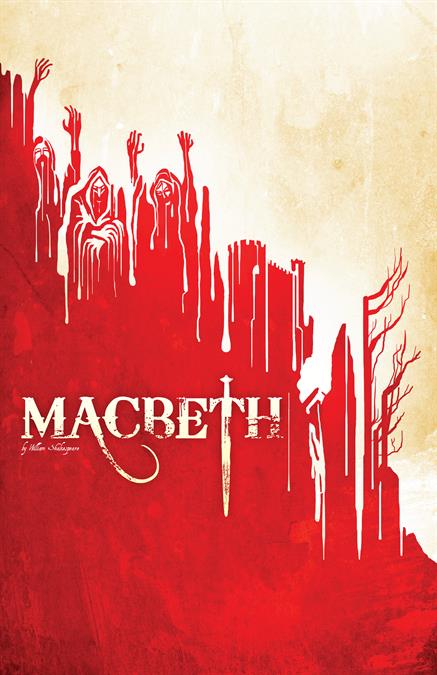
Supports de TD pour le groupe de Maria Tang sur les deux oeuvres au programme de Littérature L2 (Macbeth, Jane Eyre).
- Trainer/in: Maria Tang
- Trainer/in: Adrian Morfee
- Trainer/in: Brian Wilson
- Trainer/in: Brian Wilson
- Trainer/in: Brian Wilson


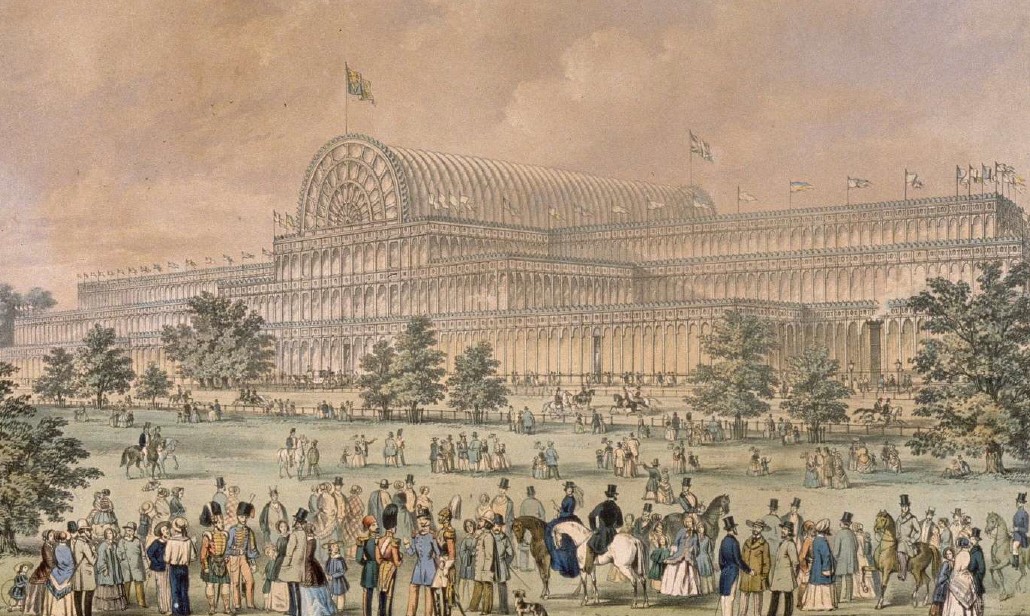
This learning environment is open to second-year students who are in group 3 with Aurore Caignet.
- Trainer/in: Aurore Caignet
- Trainer/in: Florian Treguer